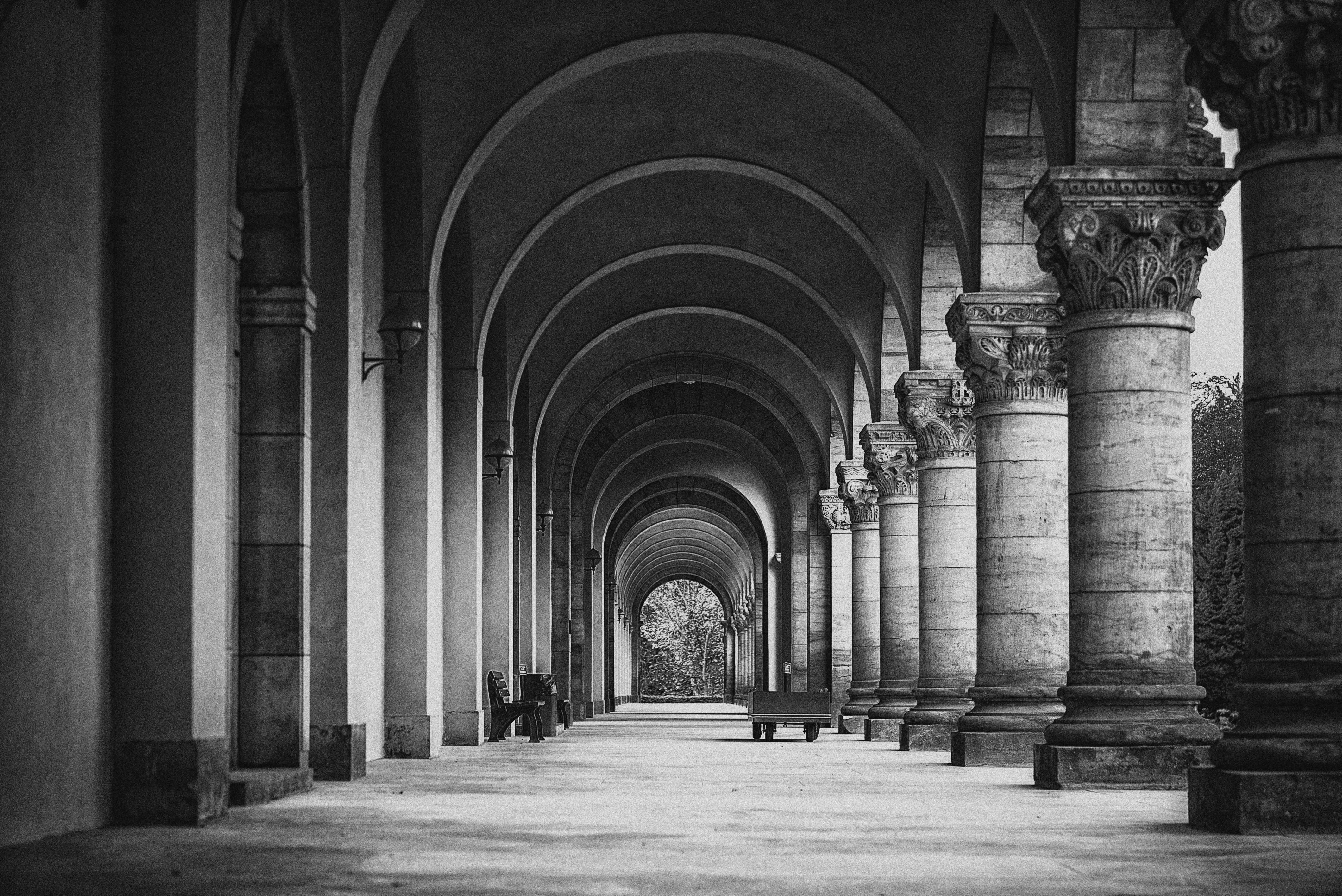
Seeing in Black and White: When and Why to Remove Color
500px 500px.com
Converting a photograph to black and white can rescue a weak image or ruin a strong one. The difference lies in whether the choice is deliberate. Black and white photography isn’t simply color photography with the saturation turned off. It’s a distinct way of seeing that relies on tone, contrast, texture, and form to do the work color usually does. On grey November days, when color is muted anyway, it’s the perfect time to train your eye to see in monochrome.
Color carries a lot of information and emotion. Remove it, and the viewer’s attention shifts to what remains: light and shadow, shape, line, texture, and expression. This is why black and white photography often feels more timeless and more direct. It strips away the specifics of a moment, the color of a jacket or a passing car, and leaves the essential structure of the image.
More ways to use this
Open on another device

Scan to open this page. Your saved notes and account access are not included.
 Godspeed You! Black Emperor Live at Granada Theater on 2025-04-26