Building Tactile UX: Honoring Intentional Design With Lottie
Articles on Smashing Magazine smashingmagazine.com
This is what was read here when it was published. smashingmagazine.com no longer carries it in what it publishes now.
When front-end developers and UX engineers are tasked with building a web interface that feels tactile, bouncy, or destructive, the industry instinct is almost always the same: reach for a physics engine. Frameworks like Matter.js, Cannon.js, or custom WebGL solutions have become the gold standard for creating immersive, gamified websites.
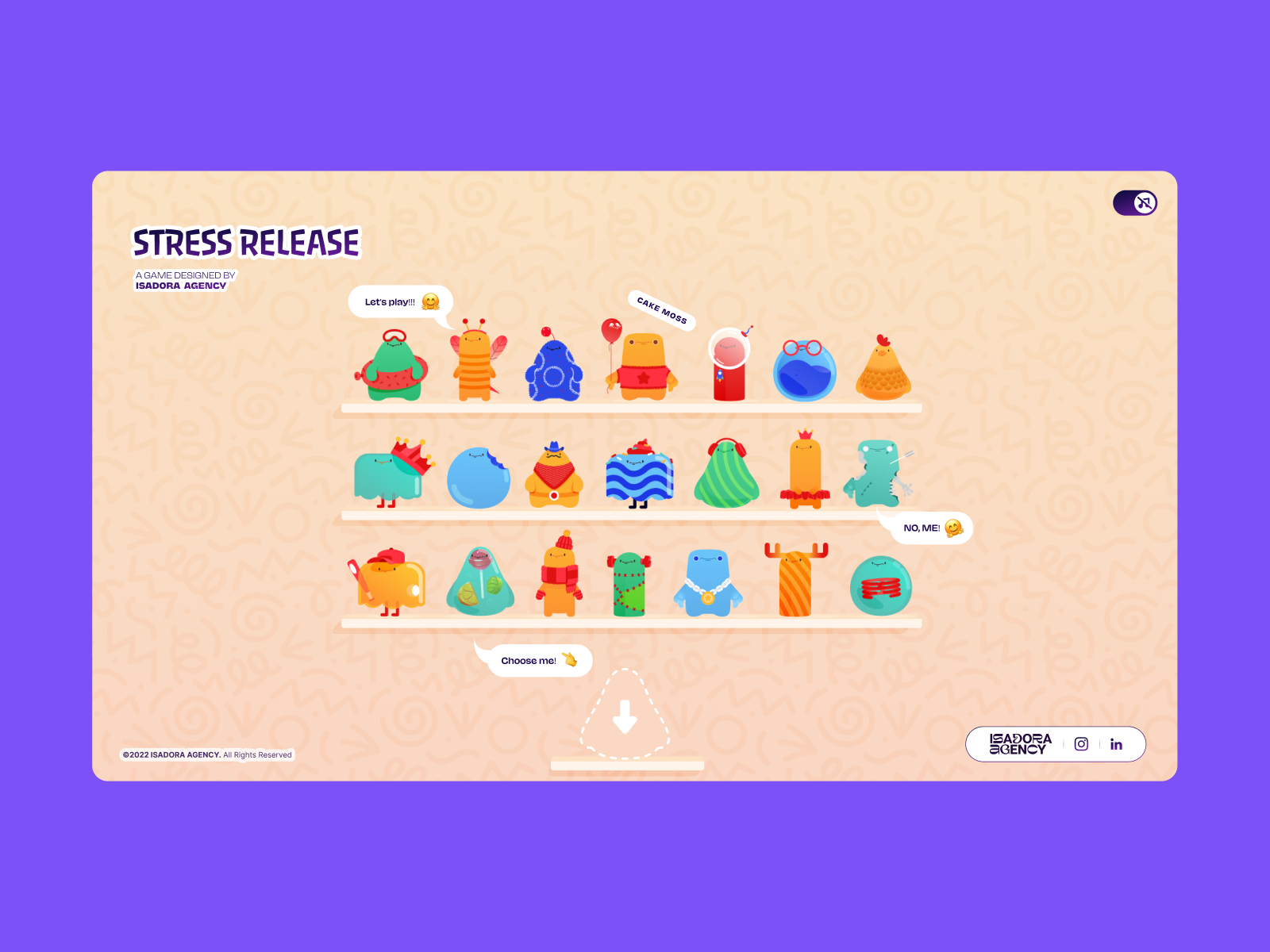
When our team at Isadora Agency set out to build Stress Release, a digital stress-relief squeeze toy designed to let burnt-out creatives smash, stretch, and distort animated UI characters, we initially explored that route. The goal was to build a highly tactile experience where every click yielded a satisfying, squishy reaction.
More ways to use this
Open on another device

Scan to open this page. Your saved notes and account access are not included.