[HIGH] CVE-2026-113497 — A low-privileged remote attacker can change the password of arbitrary users using the REST API, including administrative accounts. By changi
ThreatFilter threatfilter.dev
This is what was read here when it was published. threatfilter.dev no longer carries it in what it publishes now.
Aurekai listening
Listen to this summary
Original instrumental score; voice stays in front.
Ready to listen
This reads the text available on this page using your browser's voice. It is not a publisher-recorded narration; voice processing depends on your browser.(vendor/severity tags below are heuristic) A low-privileged remote attacker can change the password of arbitrary users using the REST API, including administrative accounts. By changing the administrator password, an attacker can obtain full administrative access to the device and modify all configuration settings.
More ways to use this
Open on another device

Scan to open this page. Your saved notes and account access are not included.
 The “Mao Zedong”-like NPC in *GTA 6* is gone! Major design changes after launch
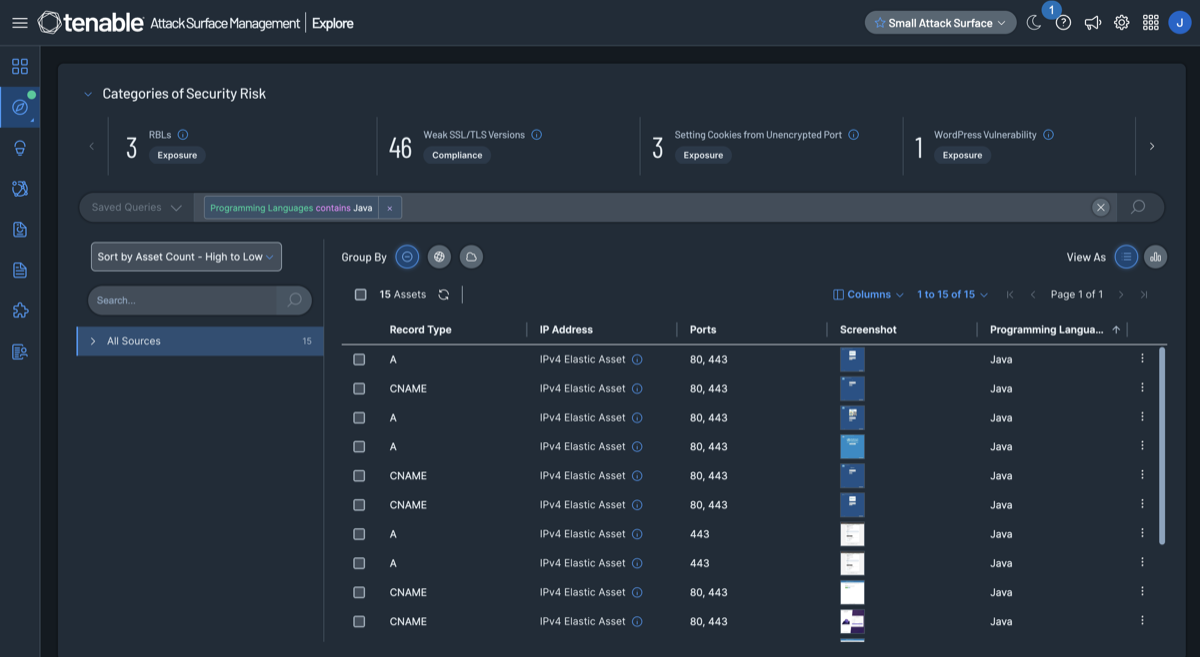 Java4Shell (CVE-2026-114938): Frequently asked questions about OpenJDK remote code execution vulnerability